
The Twifo Oil Palm Plantation (TOPP) is a special agricultural project initiated by the Government of Ghana in 1977. Established with loan financing from the European Union (EU), Commonwealth Development Corporation (CDC), Netherlands Development Finance Company (FMO), and the Netherlands Government, TOPP has been a cornerstone of palm oil production in the country since work commenced in August 1978.
Located in the Twifo Ntafrewaso and Twifo Mampong areas, approximately 62 kilometers north of Cape Coast and 212 kilometers from Accra, TOPP is strategically positioned in a region ideal for oil palm cultivation, benefiting from an average annual rainfall of 1,430 millimeters.
With an annual production of about 20,000 metric tons of palm oil and 5,000 metric tons of palm kernel, Twifo Oil Palm Plantation (TOPP) has cemented its place as one of Ghana's leading palm oil producers.
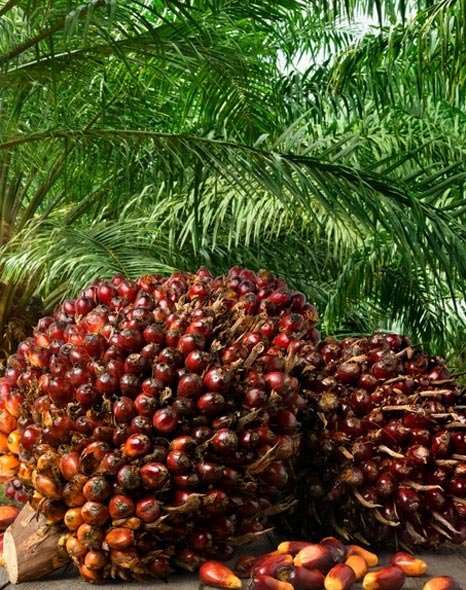
A varied supply chain supports TOPP's operations. It consists of its own estate, which provides 51% of the fresh fruit bunches (FFB), a structured Smallholder Unit, which provides 12%, and 37% of the total, which is fruit purchases from small private farmers in the Central Region.
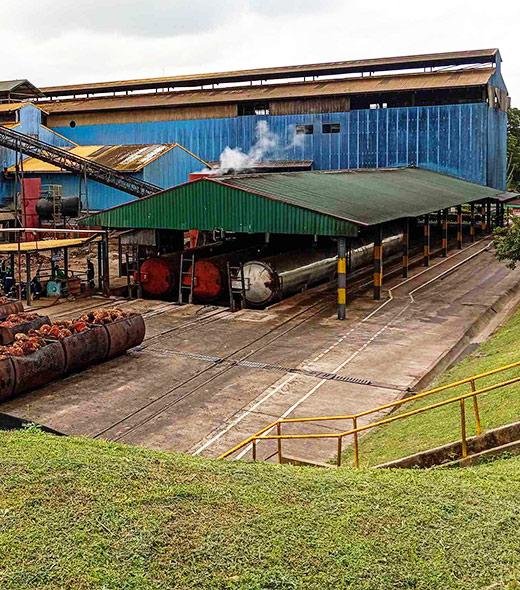
The TOPP palm oil mill was initially built in 1984 and put into operation in May 1987, with a capacity of 20 metric tons per hour.
Metric tons annually
Metric tons annually
With its modern processing facilities and dedication to innovation and sustainability in palm oil production, TOPP has become a major player in the market.
TOPP is satisfying market demands and bolstering the economies of Ghana and the Central Region by collaborating with regional smallholders and consistently improving its operations.